| |
| |
| |
| |
| |
| |
| RNAlater roll-out across North Thames region | |
The North Thames Genomic Medicine Service has recently made RNAlater available as a WGS testing option to clinicians within their region, following its award-winning roll-out across the East region earlier this year. It is an alternative pathway for solid cancer whole genome sequencing that avoids the need to freeze samples immediately after collection and allows samples to be shipped to labs at room temperature. You can find out more about RNAlater on our website. | |
| |
| Improved equity of DPYD testing | |
Aligned with the national genomic test directory, our labs have moved to an updated method for DPYD pharmacogenomic testing that allows us to report on additional variants with greater relevance to more patients. DPYD testing is recommended prior to initiating fluoropyrimidine-based treatment.
The inclusion of the additional variant means testing will identify more patients with intermediate or poor metaboliser phenotypes. The result should be used alongside current clinical guidance to inform dose adjustments or recommendations for other suitable therapies. No change to prescribing pathways is required, but clinicians should review test results carefully before initiating treatment. See our website for the full update. | |
| |
| Expanded lymphoma testing | |
In August our Cambridge lab began using a new gene panel for mature lymphoid neoplasia testing. This is intended to improve classification and treatment in line with recent advances. The new panel, known as the TWIST Pan-Lymphoid NGS panel, includes all relevant gene targets detailed in the current national genomic test directory. It will be used for all mature lymphoid neoplasia tests. Find out more on our website. | |
| |
| |
Over the coming weeks upgrades to the sequencing facility in our Cambridge lab may cause some delays. The work is necessary to help increase capacity and resilience, aligned with the ongoing rise in demand for genetic testing. As always, we aim to ensure urgent results are prioritised. Please contact the Cambridge lab with any queries: cuh.geneticslaboratories@nhs.net | |
| |
| |
Apprenticeships can be a great way to gain hands on experience of a career while learning on the job. Our Cambridge lab is involved in the apprenticeship programme at Cambridge University Hospitals and is able to take those with GCSEs or equivalent for Level 3 technical apprenticeships. The laboratory technician is a Level 3 apprenticeship which is the equivalent to A-Levels. This apprenticeship is open to external candidates interested in starting a career in genetics. Find out more. | |
| |
| |
| |
| NHS pilots rapid genomic test to transform brain tumour diagnosis | |
Thousands of patients with suspected brain tumours could get a diagnosis sooner, as the NHS launches a major pilot of a rapid genomic test.
The world-first NHS pilot of the test, which is being extended across specialist centres in England, will mean patients receive a definitive brain tumour diagnosis in days rather than weeks. The cutting-edge technology works by quickly analysing the DNA or genetic code of a small tumour sample taken during biopsy or surgery, helping doctors identify what type of brain tumour the patient has. Receiving a precise diagnosis within days means patients can start treatment including radiotherapy and chemotherapy sooner if needed.
NHS England is investing more than £2 million over two years in the Brain Cancer NHS Genomic Network of Excellence (NoE). The network is clinically led from Birmingham, with scientific leadership from Nottingham, and is being delivered through NHS Genomic Medicine Service teams across England.
The Brain Cancer NHS Genomic NoE builds on the successful pilot already under way in Nottingham and Birmingham. The rapid genomic test was developed by scientists and medics at the University of Nottingham and Nottingham University Hospitals NHS Trust.
For patients having surgery to remove a brain tumour where the exact tumour type is not known, the rapid genomic test can be done and results delivered to the surgeon in under two hours while the operation is still under way – helping them decide how much of the tumour to safely remove while protecting healthy brain tissue. A faster diagnosis will also help patients access suitable clinical trials earlier, as some trials require the precise genetic make-up of a tumour before a patient can take part.
In a recent operation at Nottingham University Hospitals - which was covered by BBC News - a tumour sample was taken in theatre and tested in the same hospital during the operation. The sequencing itself took around 20 minutes, with a result fed back to the surgical team less than two hours after the sample reached the laboratory – while surgery was still under way. The rapid result gave the surgical team an early classification of the tumour, with further analysis providing a fuller molecular diagnosis within days rather than the weeks patients can currently wait.
The story was extensively covered across media outlets on Friday 25 September, including BBC Online. | |
| |
| FH service nominated for patient care award | |
| |
Our Familial Hypercholesterolaemia (FH) Identification Hub, based at Norfolk and Norwich University Hospitals, has been shortlisted for this year's Picker Experience Network (PEN) Awards, in the category of 'Commissioning for Better Experience of Care'.
Developed through a partnership between East Genomics, Norfolk and Suffolk ICB, Norfolk and Norwich University Hospitals NHS Foundation Trust, primary care leaders, Health Innovation East and patients, the service aims to make FH identification and testing simpler, fairer and more accessible.
The shortlisting for a PEN26 Award - which drew submissions from across the UK and internationally - recognises the service's innovative approach to identifying people with familial hypercholesterolaemia, an inherited condition that causes dangerously high cholesterol levels and significantly increases the risk of early heart disease if left untreated.
In Norfolk and Waveney, an estimated 4,000 people were living with undiagnosed FH, with fewer than 300 had previously been identified. Traditional pathways relied on clinicians recognising potential FH and referring patients for assessment, resulting in variation in diagnosis rates and inequitable access to care. To address this, the FH Identification Hub was established using a population health management approach and validated risk-stratification tools to proactively identify people most likely to have FH from primary care records and offer streamlined access to specialist assessment and genomic testing.
Dr Javier Gomez, Consultant Chemical Pathologist at Norfolk and Norwich University Hospitals who led on the development of the service said: "The shortlisting of the Familial Hypercholesterolaemia Service at NNUH for this patient experience award reflects the positive impact of early diagnosis of FH, personalised support, and collaborative service delivery in improving outcomes and experiences for individuals and families affected by Familial Hypercholesterolaemia across our region".
The winners of the PEN Awards 2026 will be revealed at a live event on Thursday 1 October at the University of Birmingham. Find out more. | |
| |
BBC Radio Derby Inherited Cancer Campaign | |
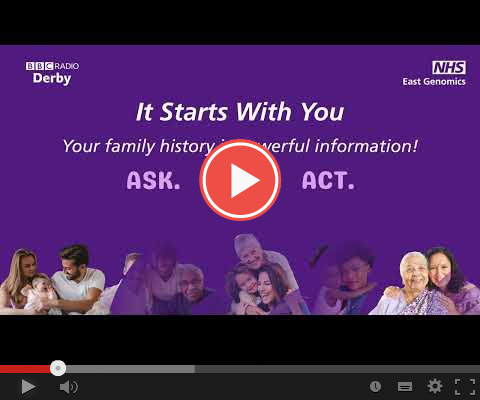
As mentioned last time, BBC Radio Derby's It Starts with You – Hereditary Cancer Campaign is seeking to raise awareness amongst the public of inherited cancers, to help families understand the importance of knowing their history, recognising their risk and making informed choices.
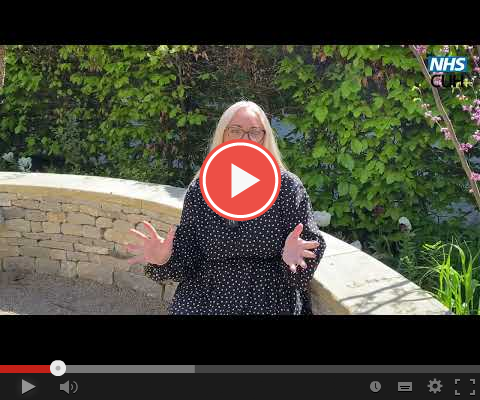
We have produced the below video aimed at members of the public, with the support of Julian Barwell and his colleagues within the Leicester Clinical Genetics Service. It covers the importance of getting to know your family history and cancers in the family, to support conversations around risk and early detection. | |
| |
| |
Success of our Genomics Community of Practice | |
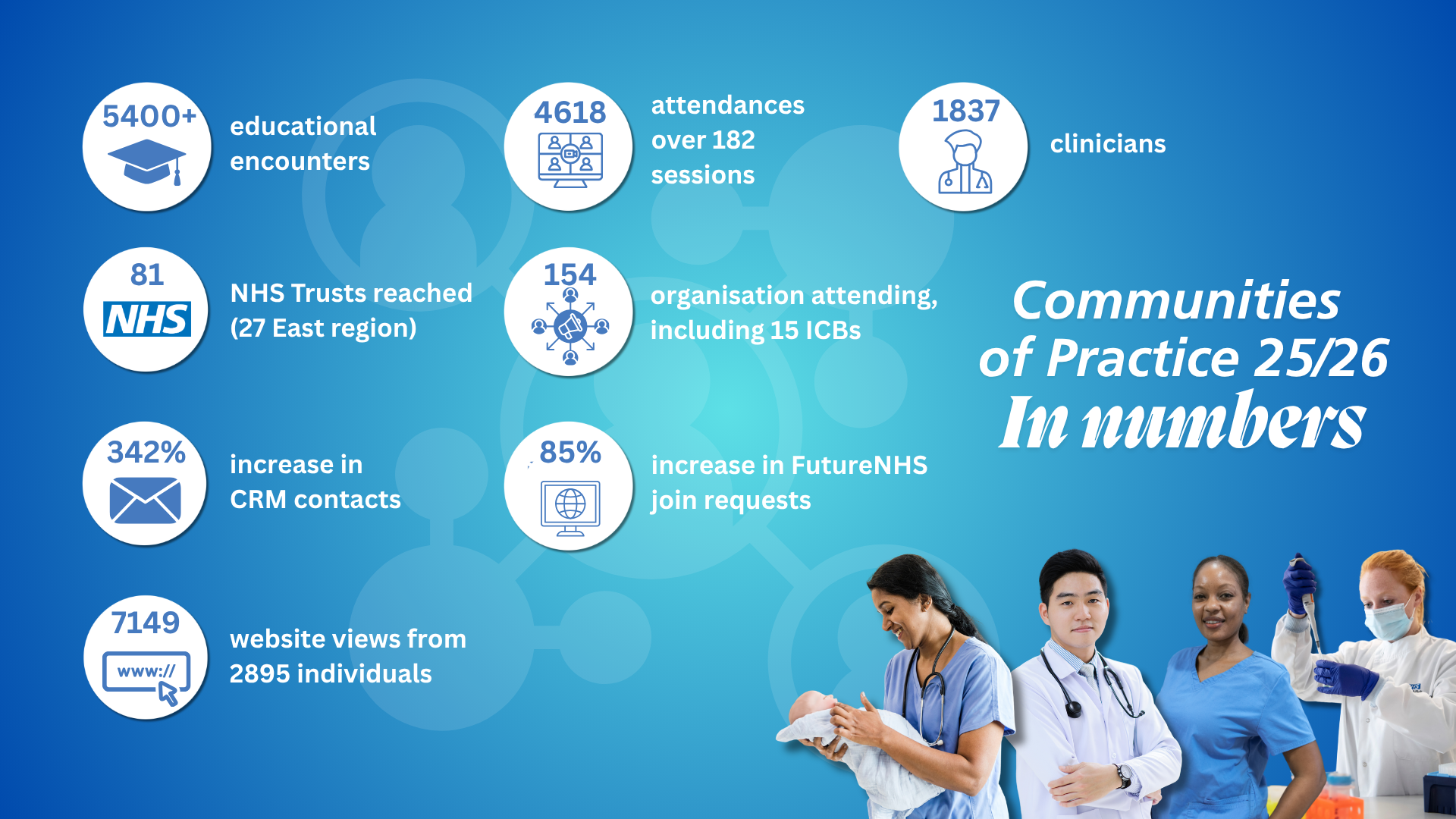
We recently published an Evaluation Report on the first year of activity for our 16 Genomic Communities of Practice. TheCoPs were implemented as a scalable and systematic approach to developing genomics capability across a large, multidisciplinary workforce, supporting delivery of the NHS East Genomic Medicine Service (GMS). The Evaluation highlights a number of impacts that our CoPs are having, including:- Significant expansion in workforce reach
- High and sustained engagement
- Evidence of increased capability and behaviour change
- System-level impact
- Value as a scalable and sustainable model
Alongside the Evaluation Report, we have developed a Genomics Communities of Practice Toolkit,, to support other regions and parts of the NHS to develop their own Communities of Practice. You can find our CoPs Evaluation Report and Toolkit on our website here.
Webinar: Establishing a regional Genomics Communities of Practice programme: Learning from East Genomics - 10 November | |
| |
| |
Sickle Cell Awareness Month | |
September is Sickle Cell Awareness Month, to bring attention to the UK's most common inherited blood disorder. Because it is caused by changes in our genes, genomics plays an important role in diagnosis, identifying carriers, supporting families, and driving the development of new treatments.
In the UK over 19,000 people are living with sickle cell, which is particularly common among people with African and Caribbean family backgrounds. Each year over 300 babies are born with sickle cell in the UK, and 8,500 babies are identified as carriers of the sickle cell trait through newborn screening.
You can find out more about the role genetics plays in sickle cell disease on the GeNotes website, and how the condition affects people through Brenda's story. Anyone affected by sickle cell disease can find out more on the Sickle Cell Society website. | |
| |
People's experience of receiving genomic test results | |
Do you know someone who has received a genetic test result, or work with people who have? We're supporting a South East-led project to explore people's experiences of receiving genomic test results/reports, which aims to provide recommendations to improve the way people receive their genetic results. Anyone who has received genomic test results is invited to complete this short survey. Please share this with your patients as appropriate. | |
| |
Save the Date: 14-15 Dec, NHS Genomics Healthcare Summit | |
The 2026 NHS Genomics Healthcare Summit will be taking place over two days on Monday 14 December and Tuesday 15 December 2026 at the IET Savoy Place in London. This year’s programme will explore some of the most exciting opportunities shaping the future of genomics, including: - The future of genomics in the NHS.
- Advancing population health through genomics.
- Working together in the global genomics ecosystem.
- Genomics, precision medicines and therapies of tomorrow.
- Driving research and innovation forward.
Please save the date and we will share the link to register and agenda when they are available. | |
| |
| PGx education and training survey for hospital pharmacists | |
Hospital pharmacy professionals working with PGx drugs (e.g. abacavir, clopidogrel, capecitabine, gentamicin, mavacamten and mercaptopurine etc.) are invited to take part in a short survey being run by the Leads Teaching Hospital and University of Bradford. The survey aims to explore respondents' views on current PGx education and training, which will inform the development of PGx education and training
| |
| |
| Could you support the Fetal and Women's Health GeNotes working group? | |
The Fetal and Women’s Health GeNotes working group are requesting support for the ongoing development of Genotes resources, the online resource providing clinicians details about requesting genetic testing, but also a comprehensive ‘encyclopaedia’ for genomics.
The working group aim to develop and maintain a bank of genomics educational resources to improve the integration of genomics in fetal and women’s health pathways and are specifically seeking O&G trainees and consultants with expertise in fetal medicine to develop and review specialty-specific genomic resources for fetal and women's health.
| |
| |
| Next Respiratory Genomics conference | |
Following on from the recent Respiratory Metagenomics Network Day, which saw over 130 people from network sites and the wider metagenomics community come together for a day of presentations, discussions and networking, the Respiratory Metagenomics Network of Excellence team are looking for your views on their next event. Please take a minute to complete the short survey and share your views on when the next event should be held. | |
| |
| New genetics educational resources to support Pakistani communities | |
A series of educational genetics resources developed through the GENE project, and co-designed with members of the British Pakistani community, are available to support improved understanding of genetics and genetic testing among this community.
The resources include a collection of short videos and animations that explain key aspects of the genetics journey in a clear and accessible way. Topics include: - Understanding genetics and genetic testing
- What happens during genetic appointments
- Receiving and understanding test results
- Mock clinical encounters to support patient understanding
- Animations explaining important genetic concepts
The resources are available in both English and Urdu, helping to support accessibility for patients, families, counsellors, and clinicians working with diverse communities. You can access the resources on the North West Genomic Medicine Service website. | |
| |
| |
| |
| |
| |
| |
| |
| |
| |
| "Participating in gut research found my womb cancer early" | |
Victoria, a member of the East Genomics Patient and Public Voice (PPV) Panel, says participating in research “saved her life” after an inflammatory bowel disease (IBD) study led to her being diagnosed with womb cancer. Following successful surgery, she is now cancer-free and recently got married.
Victoria Thurston (née Wilson), 51, was diagnosed with ulcerative colitis, a form of IBD, in 2017. Victoria, who is a mother of five, had her genes were studied through IBD BioResource, a national research platform created in 2016, and part of the National Institute for Health and Care Research (NIHR) BioResource.
Investigation of Victoria’s genes as part of the research showed she has Lynch syndrome, which increases her risk of cancer. After seeking guidance from clinicians at Cambridge University Hospitals NHS Foundation Trust (CUH), Victoria chose to have a hysterectomy to help reduce her cancer risk.
It was during preparation for this surgery that doctors found an early-stage womb cancer that could have gone undetected had Victoria not participated in the research.
Victoria says: "I still can’t believe that a research study about a digestive condition led to my early diagnosis of womb cancer. Signing up to that study is one of the best decisions I ever made. Without the study, I don’t know when I would have found out about my cancer. I encourage everyone to take part in research studies, it could save your life".
We would like to thank Victoria for sharing her story with us, which you can read in full here. | |
| |
| |
| Baby's ALD gene discovery through genome sequencing leads to diagnosis for older brother | |
A baby whose rare genetic change was picked up by the Generation Study has helped diagnose the same change in his older brother - allowing vital early monitoring of both for a potentially life-limiting rare condition.
Revan, 8 months old from West Yorkshire took part in the Generation Study and was found to have a gene change associated with adrenoleukodystrophy (ALD) when he was only a few weeks old. ALD is a rare genetic condition, with a variety of different forms. When it presents in childhood it is progressive, causing problems with vision, movement and understanding as well as adrenal problems. It is life-limiting in most childhood cases. Treatment of the neurological complications is only possible before symptoms arise. And it is important to treat adrenal symptoms at an early stage.
Early identification of ALD enables screening for pre-symptomatic brain changes. If detected, life-saving stem cell transplant can then be offered before major symptoms develop.
Revan’s result prompted genetic testing for his older brother, Thorin, 4 years old, which found that he also carries the gene change associated with ALD. Both children are now receiving regular blood tests, and from the age of two, MRI scans, allowing changes to be picked up early, helping doctors to spot any changes – well before symptoms would appear.
Without taking part in the study, it is highly unlikely the children would have been tested until symptoms appeared, which could have delayed diagnosis and treatment. Read the full story here. | |
| |
| Whole genome sequencing in cerebral palsy: a UK paediatric pilot study | |
A paper was recently published in The Lancet on the results of the NeuralNET study, which was a WGS study for children with cerebral palsy assessing if there was a genetic basis for their condition. The study recruited 86 children and their families from NHS services in Colchester, Newcastle, Luton and Cambridge and resulted in 11 genetic diagnoses being made.
A number of East Genomics colleagues were involved in the study, including our Generation Study Operational Manager Emily Li, Cambridge Clinical Genetics Service Consultants Sarah Bowdin and Evan Reid, and a colleagues from our Cambridge laboratory - which undertook DNA extraction from participant samples, interpretation and reporting of results - including Isabelle Delon (Head of Rare Disease) and JooWook Ahn (Lead Bioinformatician). | |
| |
| Polygenic scores and public health services | |
The 10 Year Health Plan for England contains a commitment to establish a new Genomics Population Health Service by 2035, promising to introduce polygenic scores as a component technology. But the use of polygenic scores in healthcare is contested.
Against this background, PHG convened an interdisciplinary roundtable to explore contexts in which a constructive and inclusive discussion about polygenic scores and their role in healthcare might be possible. They found that the disagreement was not principally about the insufficiency of available data but about the different kinds of benefits and harms, clinical consequences, alternatives, social and ethical implications, evidence, and interpretive frameworks that are appropriate for the different use contexts.
Their report examines interconnected aspects of the debate, including: competing approaches to prevention that underlie many of the most entrenched disagreements; the relevance of different evidence and what appropriate evaluation of polygenic scores requires in different contexts; ethical and social questions, particularly around equity and the communication of risk; and governance and regulatory infrastructure that may be needed to support responsible implementation. | |
| |
| Babies across East of England join diabetes prevention trial | |
Babies at high risk of type 1 diabetes across the East of England are joining an international trial exploring whether vaccination against the SARS-CoV-2 virus could prevent the condition.
Around one in every 250 children in the UK has type 1 diabetes, which affects their ability to correctly regulate blood sugar. Diabetes can be effectively managed, however it can increase long-term risk of cardiovascular diseases, and cause damage to the nerves, kidneys and eyes.
The trial, known as AVAnT1A, aims to prevent the onset of type 1 diabetes in children at a high genetic risk by vaccinating against SARS-CoV-2 infection. Research during the COVID pandemic found that children under 18 months old that had a high genetic risk of diabetes and were infected with SARS-CoV-2, were five times more likely to develop proteins in their blood that can lead to diabetes.
CUH is co-ordinating the trials across the East of England and so far around 8,000 babies in the region have had INGR1D2 screening, with around 20 recruited into AVAnT1A. The test can be performed using blood samples already collected as part of newborn screening, so no extra tests are required. Find out more. | |
| |
| Study provides new framework for understanding high-risk soft tissue cancer in children | |
As September marks Childhood Cancer Awareness Month, we're pleased to share a recent study led by Sam Behjati (Wellcome Sanger Institute and Cambridge University Hospitals) that has identified a previously unrecognised cell state associated with the most aggressive forms of rhabdomyosarcoma (RMS), one of the most common soft tissue cancers in children.
The research, which was supported by Cancer Research UK, used single-cell RNA sequencing, multiomic profiling and spatial transcriptomics across multiple patient cohorts, and found that high-risk tumours converge on a common transcriptional programme despite having different underlying genetic drivers.
The findings suggest that tumour genotype alone may not fully explain disease risk and reveals biology that is not captured by current RMS classifications. The study also identified potential biomarkers and candidate immunotherapy targets linked to this high-risk state. Together, these findings provide a new framework for understanding high-risk RMS and could inform future approaches to patient stratification, therapeutic target discovery and precision treatment for children with the disease. Read the published paper here. | |
| |
| |
| |
| |
| |
| |
| Upcoming Communities of Practice | |
Here are some upcoming meetings, with registration links, for our Genomics Communities of Practice: | |
| |
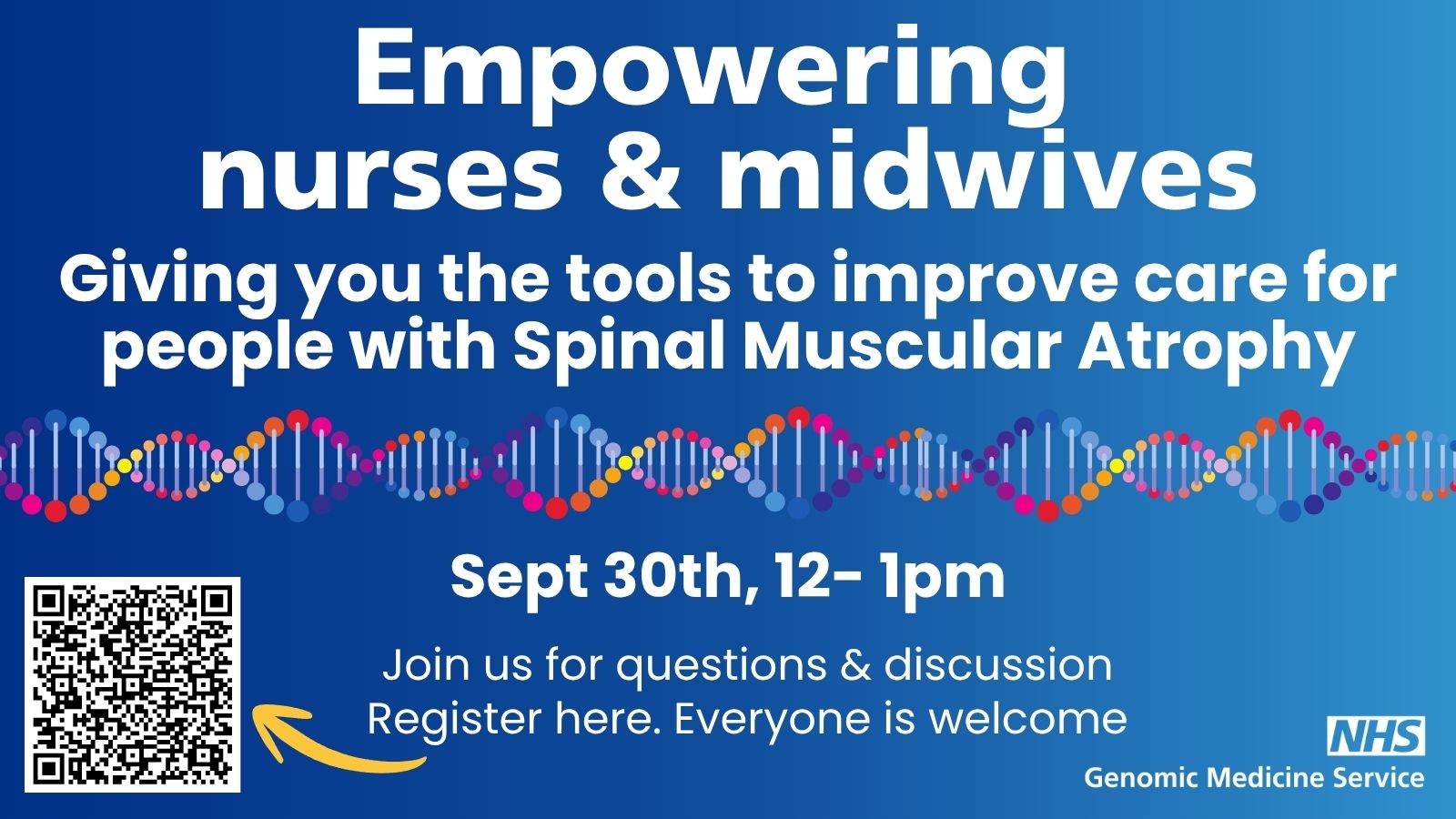
| 30 Sep: Webinar for nurses and midwives on Spinal Muscular Atrophy (SMA) | |
Join us on Wednesday 30 September for an online webinar which will give you the tools to improve care for people with Spinal Muscular Atrophy, also known as SMA.
This online session will cover: - The biology of SMA and why it’s so important to spot the signs and symptoms as quickly as possible. Every hour counts.
- A family's experience and what they wished nurses and midwives knew.
- What genetic testing is available and how to access it .
- Ground-breaking new treatment options.
| |
| |
| |
| Sep-Dec: Webinar series - 'The Clinician's Guide to Genome-Directed Therapies' | |
A growing number of therapies now rely on genomic information to identify patients and guide clinical decision-making. These therapies include gene replacement, RNA therapies, genome editing, cellular therapies, and pathway-directed treatments.
To support healthcare professionals in understanding this rapidly evolving landscape, NHS England’s Genomics Education Programme has launched a new webinar series: The Clinician's Guide to Genome-directed Therapies. Running from September to December 2026, this eight-part lunchtime webinar series (1pm-2pm) will provide a practical introduction to the major genome-directed therapeutic approaches.
The series is designed for healthcare professionals across the specialties and professional groups who have an active role in delivering genomic medicine and an interest in genome-directed therapies and their application in clinical practice.
Upcoming topics include: - Replacing the Missing Gene — Dr Julien Baruteau: Wednesday 23 September
- Manipulating RNA — Professor Laurent Servais: Wednesday 7 October
- Editing the Genome — Dr Steven Okoli: Wednesday 21 October
- Switching Off Harmful Genes — Dr Nayana Lahiri: Wednesday 4 November
- Targeting the Pathway — Professor Sahar Mansour: Wednesday 18 November
- Reprogramming Cells to Treat Disease — Dr Emma Nicholson: Wednesday 2 December
- Ethics, Access and Equity — Professor Anneke Lucassen: Wednesday 16 December
You can register for the series here. | |
| |
6 Oct: Unravelling the helix - How genomics is revolutionising healthcare | |
Central and South Genomics are hosting a webinar for key stage four and five students looking to move into healthcare careers. It will cover a range of topics, including: What is genomics/genetics and how is it used to diagnose and treat disease?; Family history' the Generation Study: Using Whole Genome Sequencing to diagnose 200 treatable genetic conditions at birth; Genomic research; and Genetics in medical specialties. Find out more and register here. | |
| |
Genomics and counselling skills course | |
Clinical healthcare professionals keen to develop their knowledge of genomics are invited to apply for a popular introductory genomics counselling course, with the opportunity to extend their studies to a Postgraduate Certificate (PGCert) in Genomics. The course is delivered online through blended learning by the University of the West of England (UWE Bristol).
To support healthcare professionals in developing their understanding of genomics and in better supporting patients, UWE Bristol has developed this online course in collaboration with Macmillan Cancer Support, the British Heart Foundation, Genomics England, a range of NHS genomics specialists, and the NHS England Genomics Education Programme (GEP). Find out more here.
| |
| |
| |
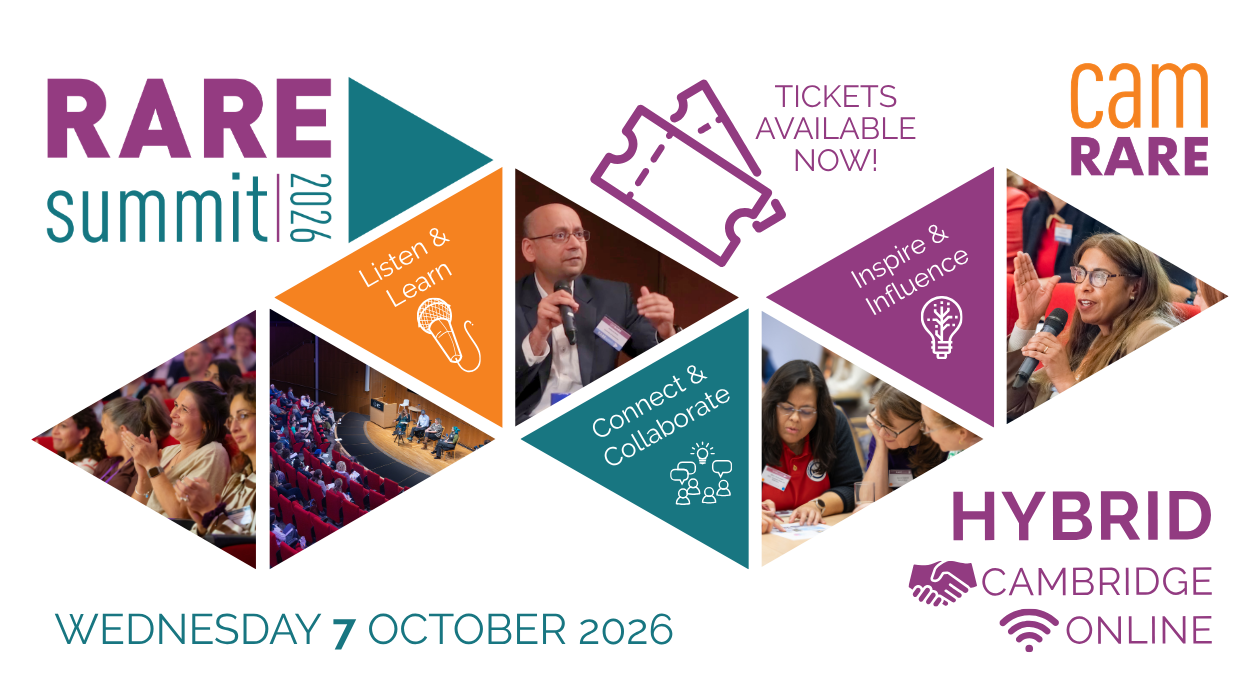
We're delighted to have an information stand at Cambridge Rare Disease Network's RAREsummit26, which is a hybrid event this year providing you with the option to attend in person at Hinxton Hall Conference Centre, Cambridge or online.
If you work across rare science, health, care, research, innovation, policy, funding, advocacy, and/or live with a rare condition, this is the event for you! A unique opportunity to converse, connect and collaborate across sectors, and help drive progress.
| |
| |
| |
| 15 Oct: Understanding Cholesterol Together webinar | |
October is National Cholesterol Month, and to mark this HEART UK are running a free webinar on Understanding Cholesterol Together webinar on Thursday 15 October at 6pm. Led by experts, the session will help people better understand and manage their cholesterol, with practical advice and simple, achievable steps to help lower cholesterol and protect heart health.
Please share the event poster with your patients as appropriate and encourage them to register for free. | |
| |
| 9-12 Nov: EMBL cancer genomics conference | |
This conference will provide an opportunity to learn about the progressing area of cancer genomics. It will cover presentations from cancer genome projects, the areas of cancer functional genomics, systems biology, cancer immunogenomics and epigenomics, and the translation and clinical impact of scientific results.
The meeting will bring together leading scientists and academic clinicians from across these areas for a unique opportunity to interact and stimulate further integration of these efforts. This conference will take place at EMBL Heidelberg, with the option to attend virtually. Registration is not yet open for this event. If you are interested in receiving more information please register your interest. | |
| |
| 10 Nov: Establishing a regional Genomics Communities of Practice programme - Learning from East Genomics | |
This webinar will pick out the key elements and evaluation measures of the East region Genomics Communities of Practice programme, provide case studies of service improvements facilitated by the programme, and introduce a Genomics CoP Toolkit to support other GMS regions and NHS partners interested in developing a Genomics CoP programme of their own.
Who should attend? - Regional GMS Leads (e.g. Education and Training, Medical, Nursing, Midwifery, Pharmacy, Clinical Directors)
- Other NHS staff or operational teams interested in developing a CoP Programme
| |
| |
| 11-13 Nov: Training Course in Pharmacogenetics | |
This in‑person course in Manchester, supported by the European Society of Human Genetics (ESHG), is aimed at pharmacists, GPs and hospital physicians and nurse prescribers with an interest in pharmacogenomics. The programme will cover core PGx principles, clinical implementation, and practical case-based learning, delivered by national and international experts. Further details, including the programme, registration and fellowship information, are available here. | |
| |
| 17 Nov: Genomics for Medical Educators | |
NHS Central and South Genomics are holding a 1‑day intensive 'Genomics for Medical Educators' education day, on 17 November at the University of Oxford. The course will be delivered by education specialists, consultant clinical geneticists, clinical scientists, pharmacist specialists, and patient experts from Central and South Genomics. Find out more and register here. | |
| |
| Events calendars of other organisations (A-Z) | |
| |
| |
| |
New on our website:
Genomic Testing: | | Useful links and resources | | | |
| |
- Enquiries regarding any specific genomic tests should be directed to our lead lab at Cambridge University Hospitals: cuh.geneticslaboratories@nhs.net
- Enquiries in relation to projects, mainstreaming, pathway development and wider education, training and and engagement should be directed to: cuh.egmsa@nhs.net
To share future newsletter content or suggestions please email Ian at i.kingsbury@nhs.net.
If you have been forwarded this email by a colleague and would like to be on our mailing list, please register here. | |
| |
| |
If you would like to unsubscribe from these newsletters please email us | |
| |